Understanding Errors and Omissions Insurance in Washington State: A Comprehensive Guide for Businesses

If you’ve ever wondered how to safeguard your business against potential slip-ups that could lead to costly legal claims, you’ve stumbled upon the right guide. Errors and omissions insurance is like a safety net for your business, shielding you from those unexpected mistakes that could otherwise cause a significant financial hit.
In Washington State, having this type of coverage isn’t just a smart move; it’s a necessity for many industries. Let’s dive deep into why errors and omissions insurance is crucial, what the legal landscape looks like, and how you can leverage it to protect your business in the Evergreen State.
Overview of Errors and Omissions Insurance in Washington State
Did you know that 43% of small businesses have faced legal threats or action in the past? If you’re running a business in Washington State, this might be a wake-up call. Errors and Omissions (E&O) Insurance is your secret weapon to protect against potentially devastating lawsuits.
Errors and Omissions Insurance, also known as professional liability insurance, is designed to cover legal costs when a client claims that a service you provided caused them a financial loss. It’s not just a nice-to-have; it’s a must-have. Here is the deal: without E&O insurance, your business could be exposed to significant financial risks, including settlements, legal fees, and damage awards.
Significance for Businesses in Washington State
Washington State is home to a diverse and thriving business environment. But with great opportunity comes potential risk. E&O insurance is crucial for businesses here because it provides a safety net against lawsuits stemming from mistakes or omissions in the services provided. Imagine you’re a consultant, and a client sues you for giving advice that led to a monetary loss. Without E&O, you’d be on the hook for all costs.
In Washington State, the industries that benefit most from E&O insurance include technology, healthcare, real estate, and finance. Why? Because these sectors often involve complex services and high-stakes advice. Pro Tip: If your business provides any form of specialized advice or service, E&O insurance is not just recommended—it’s essential.
Legal Requirements and Regulations
Did you know that not having the right insurance could cost you thousands of dollars in Washington State? That’s right. The legal landscape here is one that you absolutely need to navigate carefully.
Errors and Omissions (E&O) insurance isn’t just a good idea—it’s often a necessity. Understanding the legal requirements and regulations in Washington State is crucial for any business owner. Let’s break down what you need to know and how it compares to other states.
Washington State Compliance Essentials
In Washington, businesses providing professional advice or services are generally required to have Errors and Omissions insurance. This is to protect against claims of negligence or inadequate work. You might think this only applies to big firms, but small businesses and freelancers are on the hook, too.
Here is the deal: compliance isn’t optional. The Washington State Office of the Insurance Commissioner strictly monitors these requirements. Not being compliant can result in significant fines or, worse, the suspension of your business license.
Comparative State Regulations
How does Washington stack up against other states in terms of E&O insurance regulations? It’s a mixed bag. While the basic premise remains the same—protection against professional liabilities—the requirements can differ.
| State | Mandatory E&O Insurance | Enforcement |
|---|---|---|
| Washington | Yes | Strict |
| California | Yes | Moderate |
| Texas | No | Lenient |
Pro Tip: Always consult with a legal expert familiar with Washington State laws to ensure you’re meeting all compliance requirements. Ignorance isn’t bliss when it comes to insurance regulations!
State-Specific Legal Framework
Washington has a unique legal framework that requires businesses to maintain continuous coverage. This means you can’t just purchase a policy and let it lapse. Continuity is key to maintaining compliance.
But here is the twist: some states allow for a grace period if your policy lapses, but Washington isn’t one of them. If your coverage lapses, you have to start the compliance process from scratch. Don’t let this catch you off guard!
Coverage Options and Limitations
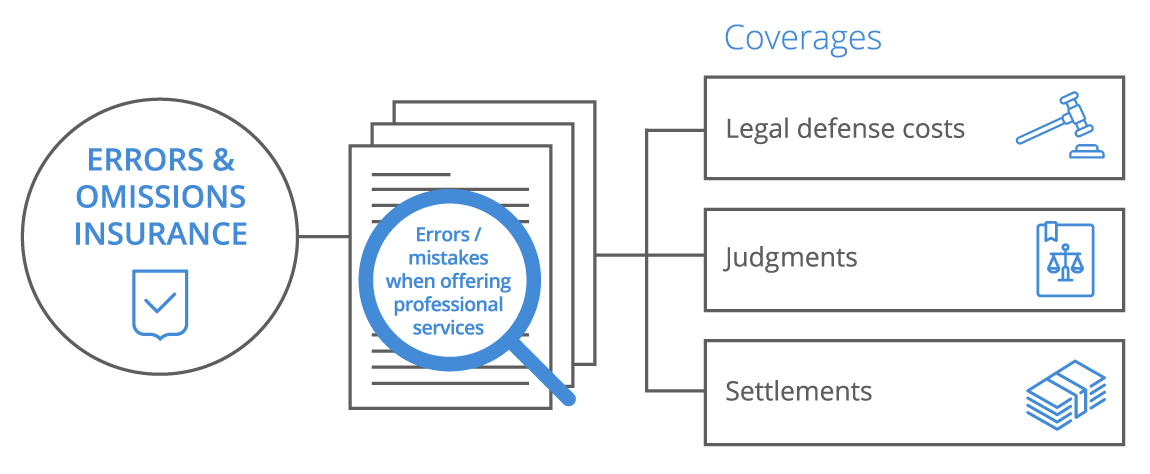
Did you know that not all Errors and Omissions Insurance policies are created equal? If you’re operating in Washington State, the choices can be overwhelming.
Let’s break down the different coverage options available to you and some common limitations you should look out for. This way, you can ensure that your policy fits your specific needs.
Understanding Coverage Options
When it comes to Errors and Omissions Insurance in Washington State, your choices are vast. You can opt for a basic policy that covers just the essentials or go for a more comprehensive package that includes a wide range of protections.
Here’s the deal: Basic policies usually cover negligence and legal defense costs. BUT, if you’re in a specialized field like real estate or IT, you might need additional endorsements.
| Coverage Option | Includes | Best For |
|---|---|---|
| Basic Coverage | Negligence, Legal Fees | General Businesses |
| Professional Liability | Specialized Endorsements | Industries like IT, Real Estate |
| Comprehensive Coverage | Negligence, Legal Fees, Additional Protections | Businesses with Higher Risk |
Recognizing Policy Limitations
Now, here’s a critical truth: No insurance policy covers everything. There are always exclusions and limitations that you need to be aware of.
For instance, intentional wrongdoing is almost never covered. If a claim arises from something you did on purpose, your insurer will likely deny it. Pro Tip: Always read the fine print to understand exactly what’s excluded.
Another common limitation is the policy limit. If your claim exceeds this amount, you might have to pay the difference out of pocket. So, make sure the coverage limit matches the potential risks your business faces.
Cost Factors and Pricing Strategies
Did you know that the cost of Errors and Omissions (E&O) insurance can vary by up to 300%? That’s why it’s crucial to understand what drives these prices.
E&O insurance isn’t a one-size-fits-all solution. It’s influenced by several unique factors, and knowing these can help you save a significant amount on your premiums.
Key Factors Influencing Pricing
Let’s dive into what affects the cost of your E&O policy. First, the industry you operate in plays a massive role. Some sectors are seen as higher risk, which means higher premiums. Second is your claims history. If you’ve had numerous claims in the past, expect to pay more. Finally, the coverage limits you choose will directly impact your cost. The higher the limit, the higher the premium.
Calculating Potential Costs
Here is the deal: Understanding potential costs can prevent sticker shock. Let’s say you run a consulting firm. You’ve got 10 employees, and your annual revenue is $1 million. If your industry average rate is $1,200 per employee, your estimated base premium would be 10 x $1,200 = $12,000 annually.
| Factor | Impact on Cost |
|---|---|
| Industry Type | High risk = Higher premiums |
| Claims History | More claims = Higher premiums |
| Coverage Limits | Higher limits = Higher premiums |
Reducing Your Premiums
BUT, there are ways to cut these costs. Step #1: Invest in risk management training for your team. This can lead to fewer claims and, in turn, lower premiums. Step #2: Consider raising your deductible. Higher deductibles mean you pay more out-of-pocket for a claim, but your monthly premium will be lower.
Pro Tip: Bundle E&O with other business insurance policies to qualify for multi-policy discounts.
Finally, regularly review your policy. As your business evolves, your insurance needs may change. Adjusting your coverage can prevent overpaying.
Claims Process and Management

Think filing a claim is straightforward? Think again. The claims process for errors and omissions insurance can be a labyrinth. But understanding the steps can save you a ton of headaches.
When you need to file a claim, it’s all about the details. You can’t just say, “Oops, I made a mistake!” You need documented proof. Otherwise, your claim might end up in the insurance abyss. Here is the deal: the more comprehensive your documentation, the better your chances of a smooth claims process.
Filing a Claim Under E&O Insurance
Step #1: Notify your insurer immediately. Time is of the essence. Delaying could mean losing coverage. Step #2: Assemble your documentation. Every email, contract, and communication can be crucial. Step #3: Submit your claim form. Make sure it’s accurate and complete.
Don’t forget to get help from your agent. They can guide you through what your policy covers. Mistake-free submissions lead to faster resolutions.
Common Challenges in the Claims Process
Ever felt like you were speaking a different language with your insurer? You’re not alone. One big challenge is miscommunication. Claims can stall if you and your insurer aren’t on the same page. Another issue is insufficient documentation. Your insurance company wants all the details.
Pro Tip: Keep a log of all interactions with your insurer. This can be your best ally if disputes arise.
Strategies for Effective Claims Management
Here is the deal: you need a strategy. Start by understanding your policy inside out. Then, establish a clear line of communication with your insurer. Be proactive. Don’t wait for your insurer to take the lead. And finally, consider hiring a public adjuster if things get tangled.
Remember, managing claims is about being prepared and persistent. And the payoff? A successful claim can save your business.
Benefits and Risks for Businesses
Think you don’t need errors and omissions insurance for your business in Washington State? Think again. The stakes are high, and making the wrong move could cost you BIG.
Errors and omissions (E&O) insurance is essential in protecting your business from costly lawsuits that can arise from mistakes or oversights. Without it, you risk paying out of pocket for legal fees and settlements. Let’s dive into the specific benefits and potential risks.
Key Benefits of E&O Insurance
First off, having E&O insurance gives your business a safety net. If a client claims your service or advice caused them a financial loss, your policy covers the legal costs. This means you can focus on growing your business rather than worrying about unpredictable claims.
Plus, E&O insurance enhances your business credibility. Clients feel more secure knowing you’re backed by a policy that protects them. It shows you’re serious about accountability and quality service.
Risks of Not Having Coverage
Now, picture this: You make a small error in a project delivery. Without insurance, that tiny mistake could snowball into a lawsuit costing thousands. Yes, a single lawsuit can cripple a business.
“Going without E&O insurance is like driving without a seatbelt. You might be fine, but if something happens, you’re in big trouble.”
Clients may also be wary of working with you. In competitive markets, offering protection gives you a crucial advantage. Without it, you risk losing out to competitors who provide that assurance.
Impact on Business Operations
Let’s break it down: Imagine your business faces a lawsuit. With E&O insurance, your insurer provides legal representation and covers costs. This means minimal disruption to your operations.
Without it, you’re on your own. Legal battles drain time, money, and mental energy. Suddenly, you’re not focusing on your business; you’re fighting for its survival.
Pro Tip: Always review policy details and understand what’s covered to avoid surprises. Align coverage with your specific business risks.
Conclusion
In conclusion, errors and omissions insurance offers peace of mind and financial stability to businesses navigating the dynamic commercial landscape of Washington State. By understanding its importance, complying with legal regulations, and managing claims efficiently, businesses can turn potential risks into manageable challenges. Don’t let unforeseen errors jeopardize your success; ensure your venture is backed by robust coverage.
Answers to Common Questions
What is errors and omissions insurance?
Errors and omissions insurance, also known as professional liability insurance, protects businesses and their professionals against claims of inadequate work or negligent actions.
Why is errors and omissions insurance important for Washington State businesses?
It’s crucial because it provides a safety net against financial losses resulting from claims of errors or negligence, which can be common in professional services.
Are there industries that specifically benefit from this insurance?
Yes, industries such as real estate, technology, and financial services greatly benefit from having errors and omissions insurance.
What factors influence the cost of errors and omissions insurance?
The cost is influenced by factors such as business size, industry, coverage limits, and past claims history.
How can businesses reduce their insurance premiums?
Businesses can lower premiums by maintaining a good claims history, opting for higher deductibles, and implementing risk management practices.
What are common challenges in the claims process?
Common challenges include proving the legitimacy of a claim, managing documentation, and dealing with disputes over coverage.