When you’re running a small business, the last thing you want is an unexpected disaster derailing your hard work. That’s why understanding small business insurance isn’t just important—it’s essential. In this guide, we’ll break down the types of insurance you absolutely need to protect your business assets and peace of mind.
Whether it’s safeguarding against property damage or covering liability claims, having the right insurance can save you from financial pitfalls. Let’s dive into the world of small business insurance and discover how to pick the perfect plan that aligns with your business goals.
Types of Small Business Insurance
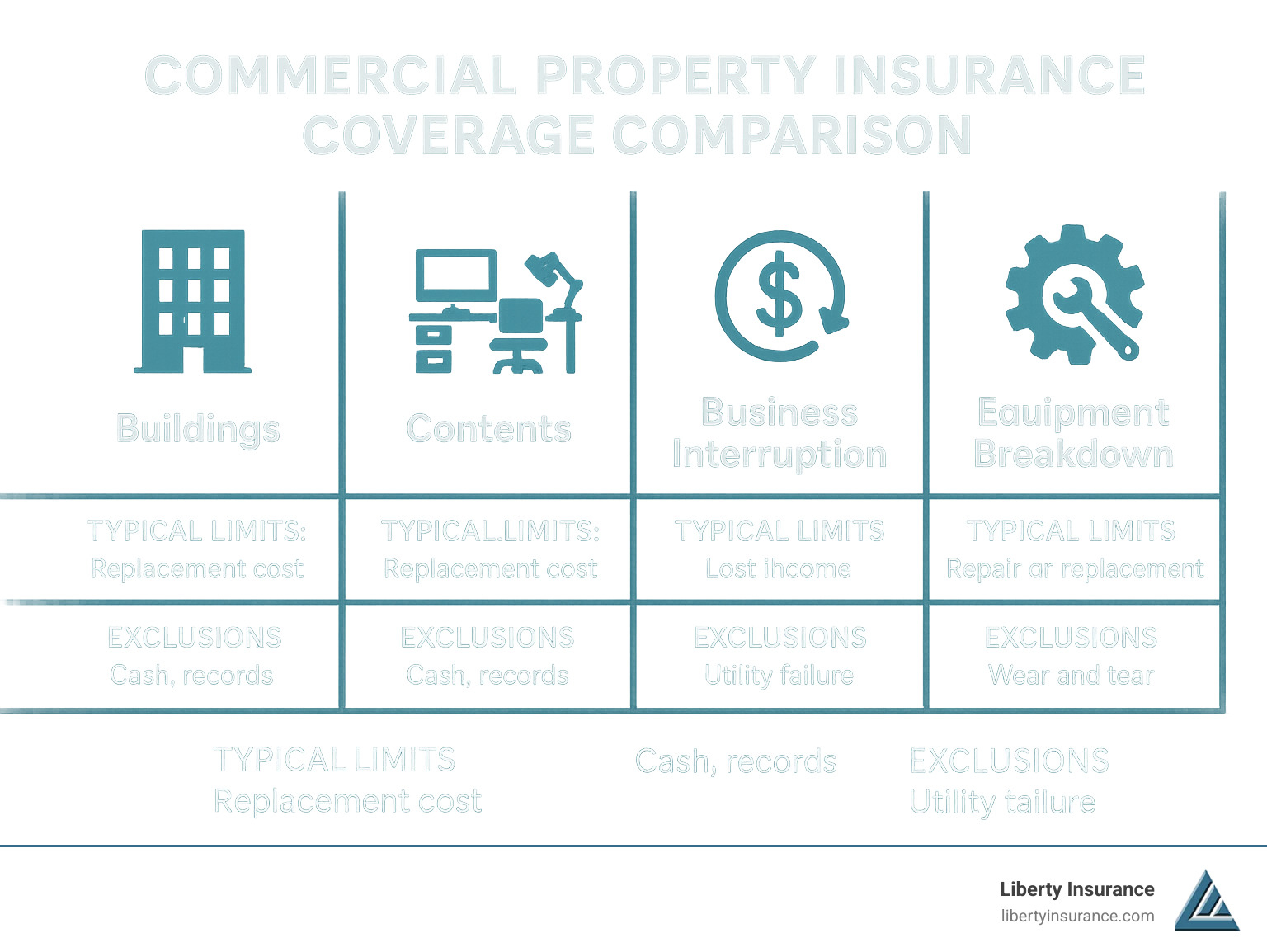
Did you know that 40% of small businesses never reopen after a disaster? Having the right insurance can be the difference between survival and shutting down.
Small business insurance is your safety net. It helps cover unexpected events that could otherwise damage your business and finances. Let’s dive into the different types of insurance that every small business owner should consider.
General Liability Insurance
Every small business needs General Liability Insurance. It covers legal expenses if your business is sued for injury or property damage. For example, if a customer slips in your store, this insurance pays for the medical bills and legal costs.
Benefits? It’s cost-effective and covers a broad range of incidents. But remember, it won’t cover employee injuries. That’s where other policies come in.
Professional Liability Insurance
Also known as Errors & Omissions Insurance, this is crucial for service-based businesses. It protects against claims of negligence or mistakes. Imagine you’re a consultant and a client claims your advice caused them to lose money. This is where professional liability steps in.
It’s not just for lawyers and doctors. Even graphic designers and accountants benefit from this coverage. Costs vary, but the peace of mind is invaluable.
Property Insurance
If you own a business property or expensive equipment, Property Insurance is a must. It covers damages from events like fires, theft, and vandalism. You don’t want to be out of pocket replacing inventory after a break-in.
Pro Tip: Make sure your policy covers replacement costs, not just the actual cash value.
Workers’ Compensation Insurance
Workers’ comp is mandatory in most states if you have employees. This insurance covers medical treatment and lost wages for employees injured on the job. It’s a lifesaver when accidents happen.
Plus, it protects you from lawsuits by injured workers. Its cost varies by industry, but the protection it offers is critical.
Here’s a quick comparison of these insurance types:
| Insurance Type | Coverage | Benefits | Approximate Costs |
|---|---|---|---|
| General Liability | Injury, property damage | Broad coverage, affordable | $400-600 annually |
| Professional Liability | Negligence, mistakes | Protects against lawsuits | $500-1,000 annually |
| Property Insurance | Theft, fire, vandalism | Covers physical assets | $750-1,200 annually |
| Workers’ Compensation | Employee injuries | Mandatory in most states | Varies by industry |
Importance of Business Insurance
Did you know that 40% of small businesses never reopen after a disaster? That’s a stat you can’t ignore. You might think your small business is safe, BUT here’s the deal: without insurance, you’re walking a tightrope without a net.
Business insurance isn’t just a safety net; it’s the shield that protects your hard-earned assets when calamity strikes. Imagine a fire sweeping through your office or a slip-and-fall accident on your premises. Insurance steps in to cushion the blow, covering everything from property damage to legal expenses.
Why Small Businesses Need Insurance
Every small business faces unique risks. Whether it’s a natural disaster or a lawsuit, insurance safeguards your investment. Consider this: a single liability claim can cost upwards of $50,000. Without coverage, you could be paying out of pocket, jeopardizing your business’s future.
On top of that, many clients and partners won’t work with uninsured businesses. They need assurance that you’re covered if something goes wrong. Insurance not only protects your assets but also enhances your credibility.
Scenarios Where Insurance Protects Business Assets
Picture this: a customer slips on a wet floor, resulting in a hospital trip and a hefty lawsuit. Without liability insurance, you’re on the hook for thousands. Or imagine a storm damages your storefront. Property insurance helps rebuild and restock, keeping your doors open.
Pro Tip: Always review your policy to ensure all potential risks are covered.
Another scenario? Data breaches. Cyber insurance can cover recovery costs and legal fees. In today’s digital world, that’s a lifeline you can’t afford to skip.
Impact of Having vs. Not Having Business Insurance
| With Insurance | Without Insurance |
|---|---|
| Financial protection from lawsuits and disasters. | Potential bankruptcy from unexpected claims. |
| Peace of mind knowing you’re covered. | Constant worry about unforeseen events. |
| Enhanced business reputation and trustworthiness. | Limited business opportunities and partnerships. |
Legal Requirements for Small Business Insurance
Depending on your location and industry, certain insurance types are legally required. For instance, workers’ compensation is often mandatory if you have employees. Failure to comply can result in hefty fines and legal trouble.
Moreover, some states require specific coverages like commercial auto insurance for business vehicles. It’s crucial to understand the local regulations to avoid penalties and ensure complete compliance.
Cost Factors in Business Insurance
Did you know that nearly 40% of small businesses don’t have the right insurance coverage? The truth is, insurance costs can vary dramatically, and understanding these costs is crucial.
So, what drives these costs? Several factors influence how much you’ll pay for business insurance. Let’s unpack the key elements that can make or break your premium.
Factors Affecting Insurance Costs
The cost of business insurance is not a one-size-fits-all scenario. It’s influenced by various factors, such as the size of your business, industry type, and the specific risks associated with your operations. For example, a construction company will face higher premiums than a digital marketing agency due to the inherent risks in construction work.
Location and Industry Influence
Where you’re located plays a huge role in determining your insurance costs. Businesses in urban areas or regions prone to natural disasters might face higher premiums. Similarly, industries with higher risk profiles, like manufacturing, often see steeper costs compared to low-risk sectors like retail.
But don’t worry, there are ways to manage these expenses.
Cost-Saving Tips for Small Businesses
Here is the deal: you can reduce your business insurance costs without sacrificing coverage by following a few strategic steps.
- Shop around and compare quotes from multiple insurers.
- Bundle policies to receive discounts on multiple coverages.
- Implement risk management practices to lower your risk profile.
Pro Tip: Regularly review and update your coverage to ensure you’re not over-insured or under-insured.
Premium Cost Comparison
Let’s see how premium costs stack up based on different business sizes and industries. This can help you get a clearer picture of what you might expect to pay.
| Business Size | Industry | Average Annual Premium |
|---|---|---|
| Small (1-10 employees) | Retail | $500 – $1,200 |
| Medium (11-50 employees) | Manufacturing | $2,000 – $5,000 |
| Large (51-100 employees) | Construction | $5,000 – $10,000 |
Choosing the Right Insurance Provider
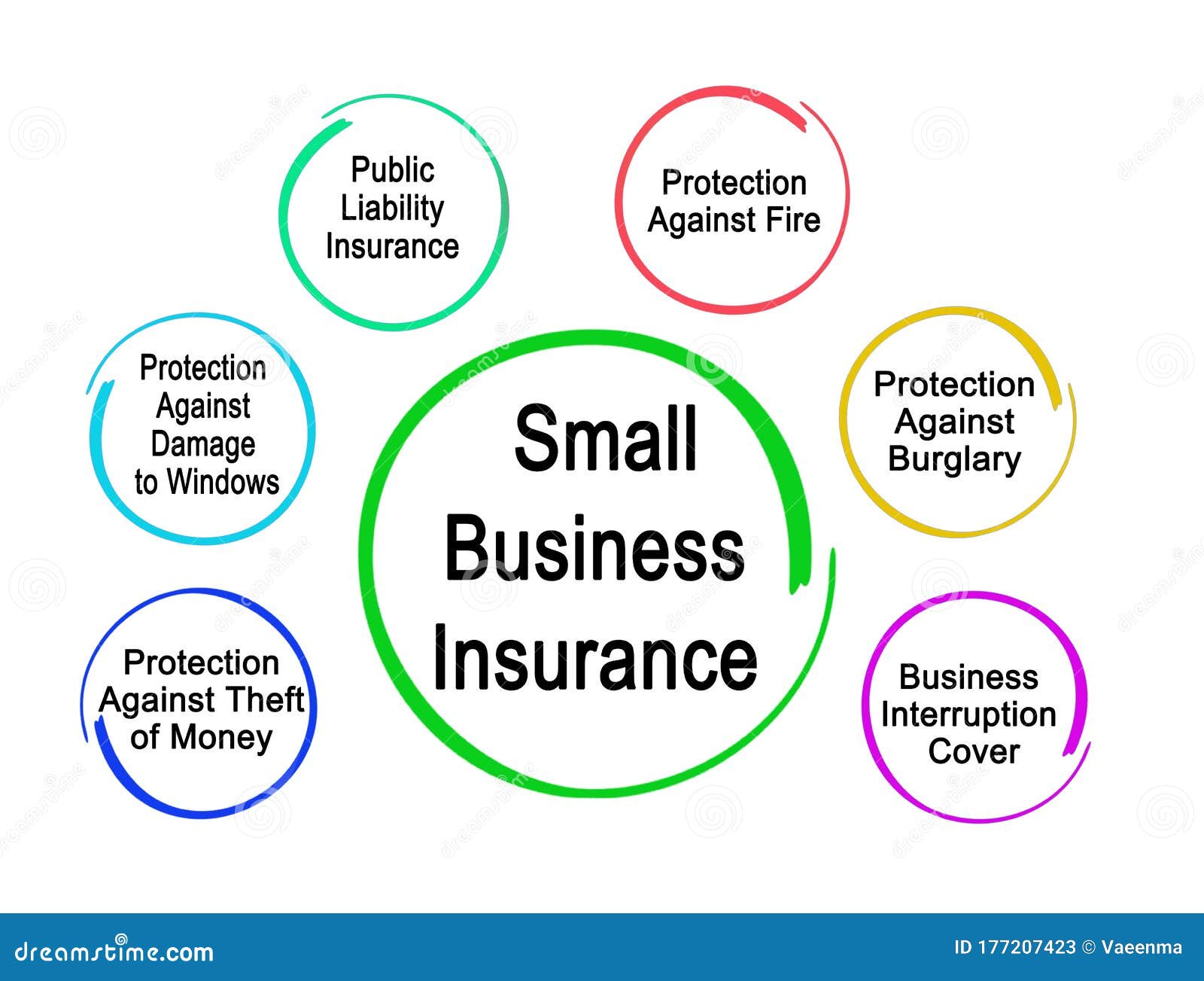
Did you know that 40% of small businesses will file an insurance claim in any given decade? The right provider can mean the difference between smooth sailing and stormy seas.
But with so many options, choosing the right one can feel like finding a needle in a haystack. Here is the deal: it’s all about knowing what you need and who can best deliver it.
Criteria for Selecting a Reliable Insurance Provider
Not all insurance providers are created equal. To ensure you’re in good hands, look for companies with a solid track record of reliability and integrity. Check for a strong financial rating and plenty of positive client testimonials.
Evaluating Provider Credibility and Customer Service
Understanding a provider’s reputation is crucial. Do they respond quickly to claims? Is their customer service team easy to reach? You want a company that treats you like a priority, not just another policy number.
- Read online reviews and ratings.
- Ask for recommendations from peers.
- Evaluate their response time through direct inquiries.
Importance of Provider Specialization in Small Business Insurance
Your insurance provider should be more than just a vendor; they should be a partner. Select a company that specializes in small business insurance. These providers will understand the unique risks you face and offer tailored solutions.
Pro Tip: Always ask about a provider’s experience with businesses in your specific industry.
Comparing Provider Offerings
It’s time to dive into the details. Here’s how you can systematically compare what each provider offers.
| Provider | Specialized Coverage | Financial Rating | Customer Service |
|---|---|---|---|
| Provider A | Yes | A+ | 24/7 Support |
| Provider B | No | A | Business Hours Only |
| Provider C | Yes | A- | 24/7 Support |
Remember, the cheapest option isn’t always the best. Focus on getting the value that matches your business needs.
Understanding Policy Terms and Conditions
Did you know that 40% of small businesses never reopen after a disaster? Yep, that’s the harsh reality. And one key reason is not understanding the fine print of their insurance policies.
Here’s the deal: insurance isn’t just about paying premiums. It’s about knowing exactly what’s covered—and what’s NOT. Let’s dive into the nitty-gritty of what you need to watch out for.
Key Terms in Small Business Insurance Policies
Insurance policies are packed with specific terms that can make or break your coverage. You need to look out for terms like “aggregate limit”, which means the maximum amount your insurer will pay during a policy period. Another important term is the “deductible”, the amount you pay out of pocket before insurance kicks in. Understanding these terms will help you avoid nasty surprises when you file a claim.
The Importance of Knowing Policy Exclusions and Limitations
You might assume that your policy has you covered. BUT there are always exclusions—specific situations where the policy won’t pay out. For example, many policies exclude coverage for acts of terrorism or natural disasters. Know these exclusions to plan better and get additional coverage if needed.
Must-Review Clauses Before You Sign
Before you lock in that policy, here’s what you need to do. Go over the coverage limits, check the endorsements (extra coverage), and make sure you fully understand the cancellation terms. These clauses dictate how your policy performs when you need it the most.
- Coverage Limits
- Endorsements
- Cancellation Terms
- Renewal Conditions
- Notification Requirements
Pro Tip: Think of “aggregate limit” like your credit card limit. Once you hit it, you’re on your own for expenses until it resets.
Claims Process for Small Business Insurance
Ever felt overwhelmed by the claims process of your small business insurance? You’re not alone. Let’s break it down into clear steps so you can handle it like a pro.
Filing a claim doesn’t have to be a headache. With a clear roadmap, you can make sure your business gets the protection it deserves. BUT, there are some key steps you need to follow.
Steps Involved in Filing a Claim
Step #1: Report the Incident Immediately. The minute something happens, notify your insurance provider. Most companies expect you to report within 24 hours.
Step #2: Gather and Organize Documentation. This includes receipts, photographs, police reports, and anything else that supports your claim. The better your documentation, the smoother your process.
Step #3: Communicate with Your Provider. Keep the lines open. Insurers often require follow-ups or additional information. Timely communication can speed up your claim.
Pro Tip: “Always keep digital copies of your documents—easy to access and share.”
Example of a Successful Claim Process
Imagine a small bakery that suffered a fire. The owner, Sarah, immediately contacted her insurance provider, documented the damages with photos, and kept receipts for all repair costs.
Sarah communicated regularly with her claims adjuster, providing any requested information on time. The result? Her claim was processed within weeks, not months, and she was able to reopen her business swiftly.
Organizing Documentation for Claims
Here is the deal: Organization is key. Keep your receipts, invoices, and any contracts related to your business neatly filed—digitally and physically.
When an incident occurs, augment this with photos, videos, and witness statements. This solid evidence dramatically increases the likelihood of a successful claim.
Importance of Communication with Insurance Provider
Don’t underestimate the power of staying in touch. A lack of communication can delay your claim or, worse, lead to a denial.
Your insurance provider is your ally in this process. Keep them updated and respond promptly to any inquiries. This ensures they have everything they need to process your claim quickly and effectively.
Last Word
Wrapping it up, choosing the right small business insurance isn’t just about ticking a box—it’s about crafting a safety net tailored to your unique business needs. By understanding the types available, their benefits, and costs, you’re not just insuring your business; you’re investing in its future security and success. Don’t wait for a rainy day to realize its importance. Act now, and let insurance be your business’s best ally.
FAQ Section
What are the main types of small business insurance?
The main types include General Liability Insurance, Property Insurance, Business Interruption Insurance, and Workers’ Compensation Insurance.
Why is business insurance important for small businesses?
It protects against financial losses from unexpected events like lawsuits, property damage, or employee injuries, ensuring business continuity.
How does the location of a business affect insurance costs?
Insurance costs can vary significantly based on location due to factors like crime rates, natural disaster risks, and local regulations.
What should I look for in an insurance provider?
Look for providers with strong financial ratings, good customer service, and specialization in small business insurance.
Are there legal requirements for business insurance?
Yes, some types of insurance like Workers’ Compensation are legally required depending on your location and the nature of your business.
